How a website with artificial intelligence can optimize lead generation
Understand how a website with AI can help capture leads, choose the right resources, and create a more efficient journey for your business.

Listen to the article
Attracting contacts through the website requires more than just a form: it is essential to understand the intent of each visitor and offer a relevant next action. Artificial intelligence makes this journey faster and more personalized.
Quick response
A website with artificial intelligence aids in lead generation by engaging with visitors, answering questions, identifying interests, suggesting content, and directing qualified contacts to customer service. It can operate at the top, middle, and bottom of the funnel, from attraction to quote requests or scheduling. For small and medium businesses, the best approach is to start with clear objectives, reliable information, a well-planned form or chat, and integration with the sales channel. AI enhances the capacity for service, but it requires supervision, data protection, and adjustments based on the actual behavior of visitors.
Summary
- A IA transforma o site em um ponto ativo de conversa, não apenas em uma vitrine digital.
- A captação acontece no topo, no meio e no fundo do funil, com ações diferentes em cada etapa.
- Conteúdo, chat, CRM, automação e análise de dados funcionam melhor quando compartilham informações.
- O projeto deve começar por um objetivo comercial claro e evoluir com monitoramento contínuo.
- Privacidade, qualidade das respostas e encaminhamento humano são partes essenciais da estratégia.
O que é um site com inteligência artificial?
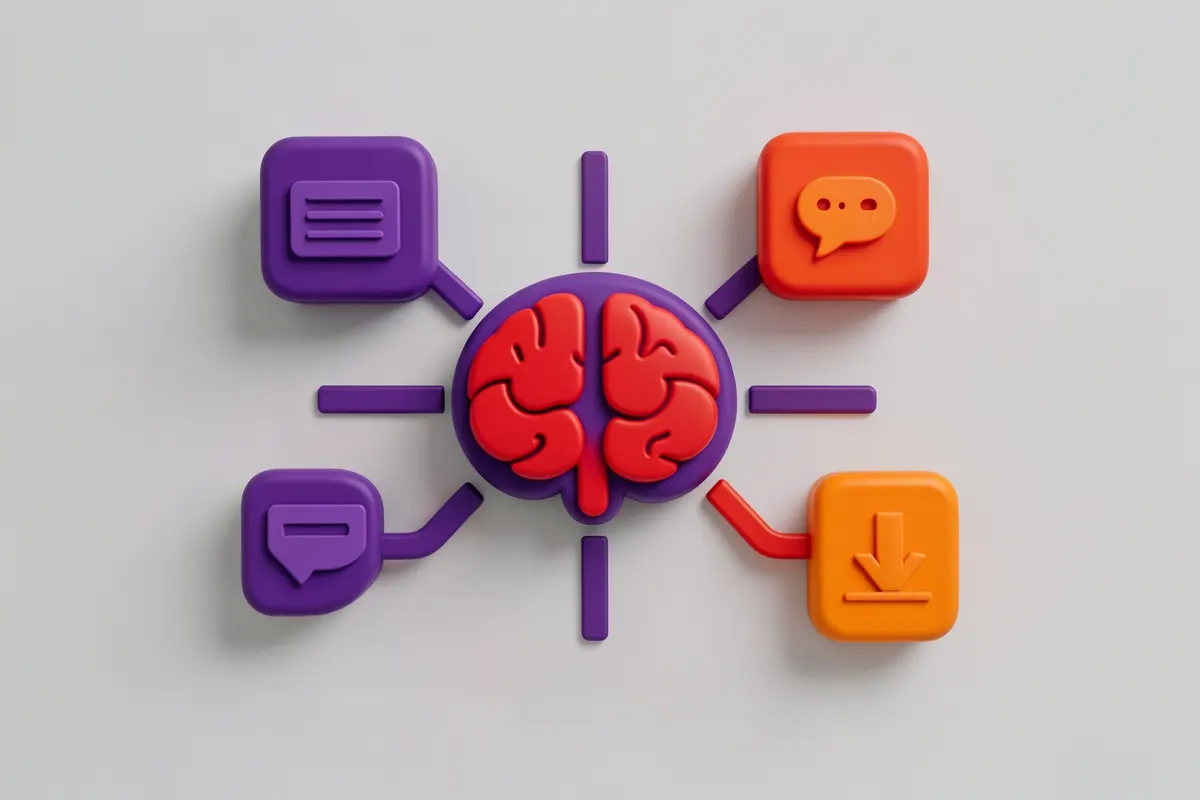
Um site com inteligência artificial é uma página digital que usa sistemas capazes de interpretar perguntas, reconhecer padrões e adaptar interações com cada visitante. Na prática, ele pode apresentar informações, conversar por chat, coletar dados e encaminhar oportunidades para o atendimento comercial.
Um site tradicional organiza informações para que a pessoa navegue sozinha. Já um AI-powered website acrescenta uma camada de interação: o visitante pode escrever uma dúvida, explicar o que procura e receber uma resposta coerente com o conteúdo disponível. A tecnologia não substitui a estrutura do site. Ela torna essa estrutura mais acessível, especialmente para quem chega com pressa ou não sabe exatamente onde encontrar uma informação.
Para um pequeno negócio, isso significa transformar uma página de serviços, cardápio, portfólio ou catálogo em um ponto de atendimento. O sistema pode explicar horários, localização, condições de contratação, tipos de serviço e formas de contato. Quando identifica uma intenção comercial, também pode pedir os dados necessários para uma conversa posterior, sempre com uma finalidade clara.
A qualidade depende da base de conhecimento. Quanto mais organizado estiverem os serviços, perguntas frequentes, preços quando aplicável, áreas atendidas e formas de contato, mais útil será a resposta. A inteligência artificial não deve inventar informações para preencher lacunas. Se não souber algo, precisa orientar o visitante para uma pessoa ou canal responsável.
NaInter trabalha com a ideia de que o site deve ser profissional, informativo e capaz de atender continuamente. A plataforma permite divulgar serviços, horários, localização, fotos, links de redes sociais e deliverys, além de oferecer um assistente virtual que conversa com clientes e encaminha o chat para o WhatsApp da empresa.

Como a IA ajuda na captação de leads?
A IA ajuda a captar leads ao combinar atração, conversa, identificação de interesse e encaminhamento comercial. Em vez de tratar todos os visitantes da mesma forma, ela pode adaptar a abordagem conforme a página visitada, a pergunta feita e a ação realizada.
Geração de leads no topo do funil
O topo do funil concentra o primeiro contato com a marca. É uma etapa ampla, que recompensa criatividade, conteúdo útil e capacidade de despertar curiosidade. A captação de clientes está principalmente nesse momento porque muitas pessoas ainda estão pesquisando um problema, comparando possibilidades ou tentando entender se precisam de determinada solução.
A inteligência artificial pode apoiar a produção de conteúdo, o reconhecimento de temas relevantes, a criação de chamadas para ação e a escolha de locais mais adequados para apresentar um convite. Em uma página sobre manutenção de ar-condicionado, por exemplo, um assistente pode perguntar se o visitante busca limpeza, conserto ou instalação. A pergunta não serve apenas para atender: ela ajuda a compreender a intenção.
Um site com IA também pode oferecer materiais relacionados ao interesse demonstrado. Quem lê uma página sobre serviços para restaurantes pode receber um convite para conhecer um cardápio digital, enquanto quem consulta um serviço residencial pode ser direcionado a um formulário específico. A experiência fica mais natural quando a chamada aparece no contexto certo, sem interromper a leitura.
O objetivo no topo não é pressionar a venda. É reduzir a distância entre o conteúdo e a próxima conversa. Um convite para receber uma orientação, solicitar uma avaliação ou falar pelo WhatsApp costuma ser mais adequado do que um formulário genérico apresentado para todos.
Qualificação de leads no meio do funil
A captação ocorre nos três estágios do funil de marketing e vendas, mas o foco muda em cada passagem. No meio do funil, o visitante já demonstrou algum interesse e precisa de informação suficiente para avançar com segurança. É nesse ponto que a IA pode organizar fluxos de nutrição e sugerir materiais compatíveis com a dúvida apresentada.
A qualificação começa com perguntas simples e relevantes. Uma empresa de móveis planejados pode perguntar sobre o ambiente, a cidade e o momento do projeto. Uma consultoria pode investigar o tipo de desafio e o porte da operação. Não é necessário transformar o chat em um interrogatório. Poucas perguntas bem escolhidas entregam mais valor do que uma ficha extensa que o visitante abandona.
A IA consegue ajudar na elaboração de mensagens e materiais enviados durante o processo de nutrição. Ela pode adaptar a linguagem para quem ainda está conhecendo o assunto e aprofundar a explicação para quem já pediu uma proposta. Também pode identificar sinais de intenção, como retorno frequente a uma página de serviço ou pergunta sobre disponibilidade.
Esse histórico melhora o lead scoring, a pontuação usada para priorizar contatos. A IA pode aumentar a precisão dessa análise ao considerar contexto, comportamento e respostas, não apenas o preenchimento de um formulário. Com isso, a equipe comercial recebe oportunidades mais bem explicadas e consegue começar a conversa pelo assunto que motivou o contato.
Even so, scoring is not synonymous with absolute truth. A silent visitor may be ready to buy, while someone very active may just be researching. Therefore, qualification should combine automation with human review and allow the contact to correct information themselves.
Lead conversion at the bottom of the funnel
At the bottom of the funnel, the person is already looking for a decision. The role of the website is to remove practical doubts, make the next step clear, and prevent a hot contact from waiting until business hours for an initial response. The assistant can explain the process, gather data for a quote, confirm the need, and direct the conversation to the responsible team.
Personalization makes a difference at this stage. If the visitor arrives from a service page, the conversation should start with that service, not with a generic company introduction. A system capable of reading the page content and understanding the demonstrated interest can adjust the approach, present a coherent call to action, and increase the chance of conversion without resorting to intrusive messages.
The form also deserves attention. Only ask for what the team will actually use. Name, return channel, city, and description of the need may be sufficient in many cases. For a B2B company, it might be important to know the segment and the main challenge. The rule is to relate each field to a concrete decision in the service.
After submission, the experience does not end. The visitor needs to know what will happen next, which channel will be used to contact them, and how they can complement the request. The captured chat can be directed to the company's WhatsApp, maintaining the context of the conversation and preventing the customer from having to repeat everything from the beginning.
Conversion improves when content, speed, and trust work together. Real testimonials, updated information, privacy policy, and a clear offer help the person move forward. AI accelerates the journey, but the promise must be fulfilled by the operation.

What AI tools can be used?
The most useful tools are those that connect conversation, data, automation, and analysis. The choice should start from the stage of the funnel that shows the greatest loss, rather than beginning with the most sophisticated tool.
AI-powered CRM tools
A CRM with artificial intelligence organizes contact data and helps transform conversations into commercial history. It can record the lead's origin, demonstrated interest, previous interactions, follow-up tasks, and negotiation stage. For a small team, this centralization prevents opportunities from being scattered across spreadsheets, inboxes, and isolated messages.
AI features can suggest the priority of a contact, summarize conversations, identify pending items, and support task distribution. The utility appears when the team needs to decide who should be attended to first and what information should guide the approach. The system should not just accumulate names; it needs to help take action on them.
Integration with the website is crucial. When the visitor talks to the assistant and the record reaches the CRM with context, the salesperson saves time and can personalize the response. It also becomes easier to analyze which pages, campaigns, and questions generate the most suitable opportunities for the business.
Marketing automation platforms
Marketing automation coordinates actions that happen after the first interaction. It can send requested material, organize a sequence of content, remind the team to make contact, and segment audiences according to interests. With AI, these tasks can consider the intention expressed by the visitor and not just a fixed rule.
Good automation respects the lead's pace. Someone who requested a quote needs a different journey than someone who downloaded an introductory guide. The system can adapt the subject, language, and call to action, as long as the company sets clear limits and reviews the content before sending.
For local businesses, automation can also combine the website, social media, and WhatsApp, without losing the brand's identity. The most important thing is to avoid repetitive or pushy messages. The person should perceive continuity, not a sequence of disconnected approaches.
Predictive analytics solutions
Predictive analytics observes historical patterns to estimate which behaviors typically precede a conversion. On the website, this can involve pages visited, traffic source, chat responses, return to content, and type of request. The result is a broader view of where the opportunity is forming.
This type of solution helps identify bottlenecks. Perhaps many visitors start the chat but abandon it when a form appears. Maybe a certain page attracts a lot of traffic but generates few suitable contacts. The analysis does not deliver a ready-made decision but shows where to test a change.
Small businesses should start with reliable data and an objective question. Trying to predict everything at once often generates complexity without utility. It is more productive to investigate which channel brings contacts with the highest potential, which doubt arises before the quote request, or which content leads to the commercial conversation.
Have a professional website working for you 24/7
Let the Artificial Intelligence of NaInter.net create the perfect showcase for your business to attract customers every day.

How to implement an AI-powered website for lead generation?
The implementation should start with strategy, move on to configuring the experience, and end with a cycle of measurement and improvement. The website will only help capture leads if the AI is connected to a clear offer and a service process capable of responding to contacts.
Defining clear objectives
Before choosing technology, define what the site needs to generate. It could be a quote request, appointment scheduling, menu requests, WhatsApp contact, or sign-ups for content. A main objective simplifies the creation of pages, calls to action, and assistant questions.
It is also important to define what characterizes a useful lead. For a salon, it could be someone who specifies the desired service and is willing to discuss availability. For a maintenance company, it could be a contact who describes the equipment and the area. The definition needs to be understandable for both the person assisting and the one configuring the system.
Map out the main questions before writing the answers. Gather information about services, hours, location, areas served, payment methods when applicable, and operational limitations. The assistant will be more reliable when it finds an official, updated, and organized source.
Finally, choose a follow-up action. Every contact should reach someone, an inbox, or a CRM with sufficient context. Capturing the name without knowing the reason for the contact creates volume but does not create well-developed opportunities.
Choosing the right tools
The right tool is one that solves the current bottleneck without making operations more difficult. If the problem is answering recurring questions, start with the assistant on the site. If the issue is losing follow-ups, prioritize organizing contacts and tasks. If the difficulty lies in traffic origin, invest in content, calls to action, and analysis.
Evaluate the quality of integration, ease of updates, control over data, and the ability to forward the conversation to a person. Also, examine whether the solution allows for adapting language, hours, services, and business rules. A beautiful interface does not compensate for outdated answers or a flow that does not reach the responsible party.
For the Brazilian reality, privacy needs to be part of the initial design. Explain why data is being requested, limit collection to what is necessary, and provide a channel for requests related to LGPD. NaInter informs that the data used in the operation of its microsites and virtual assistants is not sold to third parties and is processed for the purposes of platform operation, according to its terms.
Conduct a test with real questions before publishing. Include typos, incomplete questions, and out-of-scope requests. Visitors do not write like a manual. The solution needs to know how to ask for clarification or escalate the case when it is unsure how to respond.
Monitoring and adjusting strategies
Implementation does not end when the chat goes live. Observe which pages receive the most visits, where people start a conversation, which questions are repeated, and at what point they abandon the process. These signals indicate whether the problem lies in attraction, clarity of the offer, or service.
Separate quantity from quality. A very eye-catching button may increase conversations but bring contacts unrelated to the service. A smaller change may generate fewer interactions and more appropriate requests. The indicator should align with the objective defined at the beginning, not just the volume of messages.
Review the answers frequently and involve those who assist customers. The sales team notices objections, regional expressions, and missing information on the site. This collaboration makes the assistant closer to reality and reduces the gap between the digital promise and the experience after contact.
When a hypothesis fails, adjust one variable at a time: call text, chat question, landing page, or forwarding. This makes it easier to understand the effect of the change. Continuous learning is what transforms an initial automation into a consistent lead generation process.

What are the benefits of using AI in lead generation?
The main benefits are better service, reduced repetitive work, capturing opportunities outside of business hours, and offering a more relevant experience for each visitor. The gain appears when AI is linked to a well-defined business process.
The first benefit is availability. A visitor can arrive at the site when the team is busy, traveling, or outside of business hours. An assistant can address the question, explain basic information, and record interest so that the company can follow up later. This reduces the chance of the person leaving without knowing the next step.
Personalization is another important gain. Instead of showing the same call to action to everyone, the site can react to the context of the visit. Someone looking for a specific service receives compatible guidance, while someone still learning finds introductory content. This difference improves relevance without requiring the company to create a manual conversation for each person.
Productivity also improves. Repeated questions, initial screening, data recording, and forwarding can be automated. The team becomes freer to negotiate, resolve complex cases, and provide service that depends on human judgment.
There is also greater visibility into the journey. The company can observe which topics attract attention, which questions hinder progress, and which channels generate opportunities. This information helps decide where to invest time and budget, something especially valuable for businesses with limited resources.
Finally, AI can bridge content and sales. The page stops being just a static presentation and starts guiding the person towards a coherent action. The benefit is not to automate for the sake of automation, but to create an experience that respects the visitor's moment and facilitates contact with the company.

What are the challenges in implementing AI?
The challenges involve data quality, privacy, limits of automation, integration with operations, and maintenance of responses. A responsible implementation treats these points as part of the project, not as later corrections.
The first challenge is to avoid incorrect responses. An assistant trained with incomplete information may misinterpret a question or present a condition that the company does not offer. Therefore, the knowledge base needs to have responsible parties, an update history, and rules for forwarding sensitive questions.
Privacy requires care from the very first question. Personal data must be collected for a clear purpose, stored securely, and handled in accordance with the LGPD. Visitors need to know what they are providing and how to request changes or deletions when applicable. Transparency is not a legal detail; it influences trust in the conversation.
Another point is the expectation regarding automated service. AI can welcome, organize, and guide, but it should not hide access to a person when the situation requires analysis, negotiation, or specialized support. A clear referral protects the customer and the business's reputation.
Integrations can also create friction. If the chat does not reach the right channel, if the CRM does not record the source, or if the team does not know who should respond, technology generates a promise of agility that the operation cannot sustain. The flow needs to be tested from end to end.
There is also the challenge of language. Technically correct responses can sound cold, vague, or incompatible with the Brazilian audience. The business should review examples, tone, regionalisms, and words that customers actually use. AI needs to reflect the brand, not erase its personality.
Finally, there is the cost of attention. Even a simple solution requires review, analysis, and improvement. The project tends to work better when it starts with a well-defined use case and grows as the team learns, rather than trying to automate all service at once.

What is the future of lead generation with AI?
The future of lead generation with AI points to more conversational, contextual, and integrated websites. The trend is for technology to participate throughout the journey, but with more transparency about its limits and greater care with data.
Conversations are likely to become more natural. Instead of choosing rigid paths, visitors will be able to explain their needs in their own words, send information in different formats, and receive a response tailored to the context. This is especially useful for those unfamiliar with technical industry terms.
Websites should also become more active in interpreting intent. The visited page, consumed content, and asked questions will form a context for the next recommendation. A visitor searching for location will receive a different experience than one who is ready to schedule. Personalization, however, will need to be explicit and respectful, without turning behavior into surveillance.
Another evolution will be the integration between marketing, sales, and service. The lead could move from content, pass through the assistant, reach WhatsApp, and be greeted by a person with the essential conversation history. This continuity reduces repetition and makes the relationship more fluid.
Analysis will also become more accessible for smaller companies. Instead of relying solely on complex reports, managers will be able to ask which pages generate suitable contacts, which questions arise frequently, and which steps need improvement. The response should lead to a practical decision, not just another dashboard.
NaInter understands that the future is not about placing artificial intelligence in any space, but about creating websites that truly help businesses be found, understood, and contacted. To start, choose a concrete need, organize the business information, define how the lead will be served, and track what happens after the conversation. This simple next step creates the foundation for evolving safely.
- Receive more quote requests through the website → Create a specific page for each service, use contextual chat, and request only the necessary data for evaluation.
- Serve visitors outside business hours → Set up an assistant with official information, record of interest, and referral to the channel used by the team.
- Reduce abandoned forms → Test a conversation with progressive questions and explain why each piece of information is necessary.
- Prioritize contacts with greater potential → Define qualification criteria and combine automatic scoring with the review of the sales team.
- Start with low operational investment → Choose a single question or stage of the funnel to automate and expand only after measuring the quality of the results.
- Business that receives many repeated inquiries: Start with an assistant on the website fed with official information and a clear route for human service.
- Company that loses contacts during follow-up: Prioritize lead organization, conversation history, follow-up tasks, and integration with the sales channel.
- Team that already has traffic but low conversion.: Analyze landing pages, review calls to action, and create conversations aligned with the intent of each service.
- Company concerned with privacy and control.: Define purpose, data minimization, transparency, and human review before activating any automation.
Continue reading

Ways to use artificial intelligence on your website to increase sales.

How a smart website can increase the return on your small business